HOW TO MATCH THE ENTERTAINMENT TO YOUR GUEST EXPERIENCE, VENUE, PRODUCTION GOALS AND BUDGET
| The best band size is not determined by guest count alone. It is determined by what the entertainment needs to accomplish at each stage of the event. |
Side One receives more than 700 inquiries each year for corporate celebrations, galas, conferences, fundraising events, holiday parties, weddings and private events. One of the first questions is almost always the same: what size of band is right for the room, the audience and the budget?
There is no universal answer. A 200-person awards dinner may need a polished, high-impact ten-piece band, while a reception for the same number of guests may be better served by a compact acoustic group that supports conversation. The right configuration depends on the event objective, the desired energy, the stage footprint, the schedule and how prominently the music should feature in the overall experience.
What Role Should Live Music Play at Your Event?
Before selecting a band size, it helps to define the job of the entertainment. Is the music creating atmosphere during guest arrival? Supporting networking and dinner? Providing transitions around speeches and awards? Or is the band the featured attraction responsible for filling the dance floor at the end of the evening?
Many events need more than one answer. A gala, for example, might use a jazz trio for cocktails, discreet music during dinner and a full dance band after the formal program. Side One can scale the entertainment across the event so the music feels appropriate in each setting while remaining consistent from arrival through the final song.
The core six-piece dance band
Our six-piece band is the foundation of Side One’s dance-band program and the most efficient format for delivering a full, versatile live show. It includes:
- Male lead vocalist
- Female lead vocalist
- Guitar
- Keyboards
- Bass
- Drums
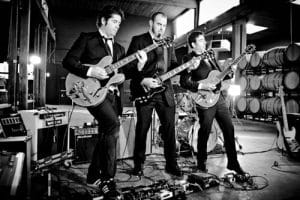
This lineup is large enough to reproduce a broad range of current hits and classic dance-floor material while remaining practical for many stages, venues and budgets. The keyboardist provides the orchestral and horn textures required by the arrangements, while guitar, bass and drums supply the energy and flexibility of a fully live rhythm section.
Why two lead vocalists matter
Using both a male and female lead vocalist gives the band access to a much wider repertoire without forcing songs into uncomfortable keys or compromising their character. It also allows the singers to alternate throughout the performance, which helps us maintain momentum and minimize breaks.
For events where continuity is important, the six-piece can perform extended sets of up to 90 minutes. When the schedule calls for one concentrated dance set, we can build a continuous performance of up to 120 minutes. That flexibility is particularly valuable after an awards program, keynote or fundraising segment, when guests are ready to move directly into the celebration without losing energy to repeated pauses.
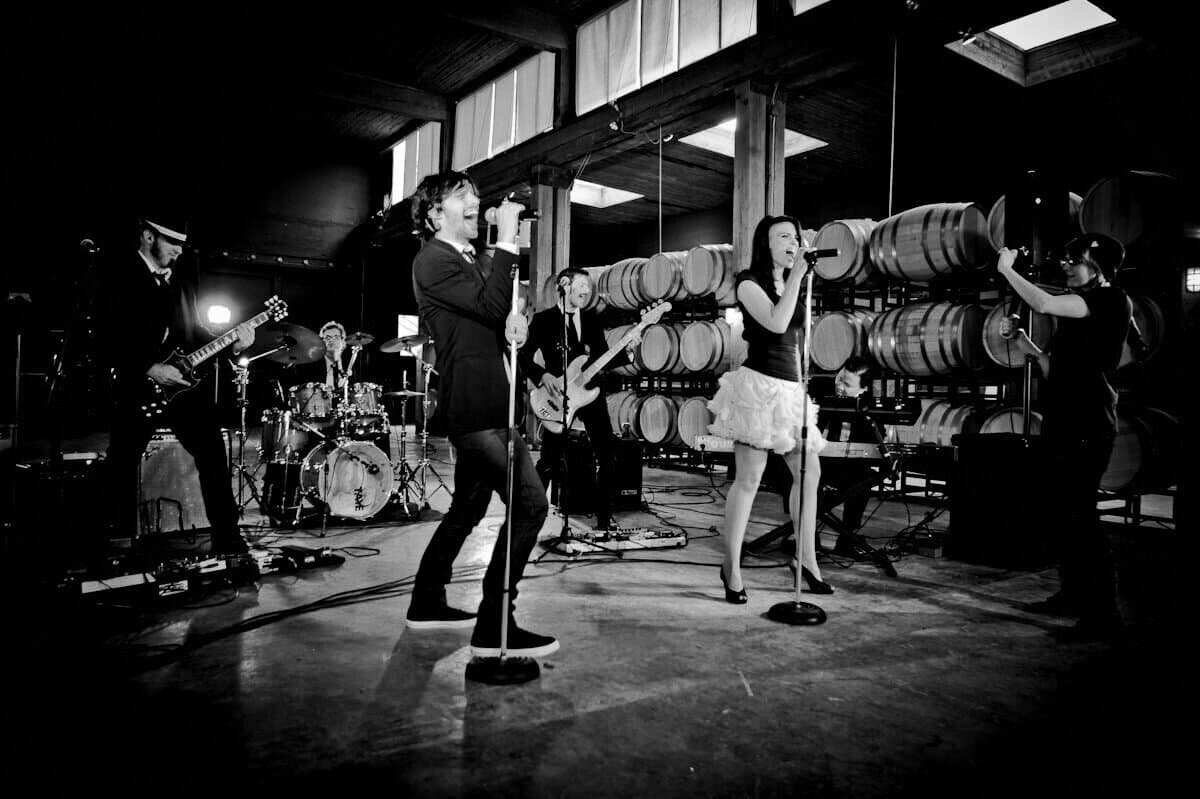
A genuinely live performance
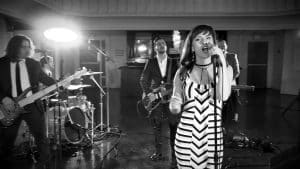
Side One performs without prerecorded backing tracks. The keyboards, background vocals, instrumental parts and lead vocals are created live on stage by the musicians you see. This is an important part of the experience we provide: the band can respond to the room, extend a section, adjust the pacing and interact naturally with the audience rather than following a fixed recording.
For planners and producers, that means the performance feels immediate and event-specific. It also provides the visual credibility and musical depth expected from premium live entertainment.
WATCH: See Side One’s keyboard work in a live performance
WATCH: See another live keyboard feature
The eight-piece band: adding a horn section
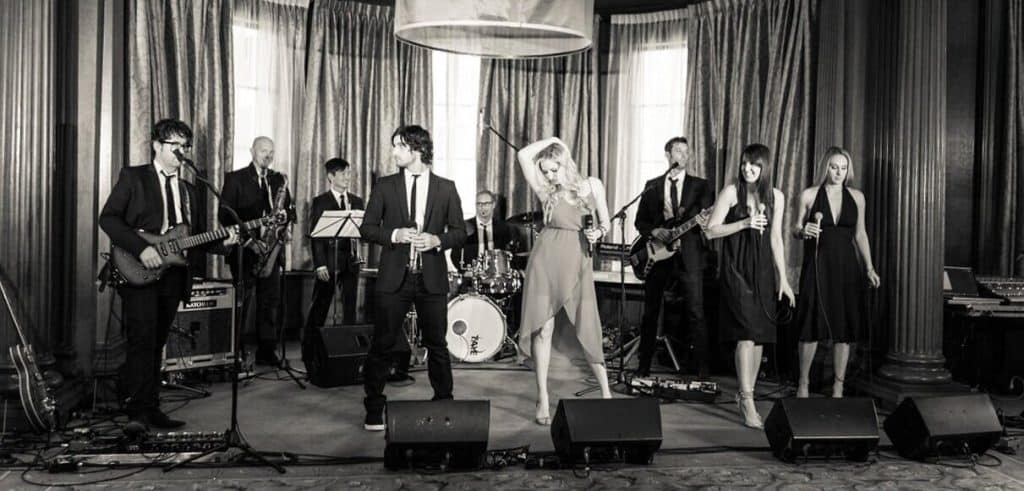
Adding tenor saxophone and trumpet expands the six-piece into an eight-piece band. This is often the most effective upgrade for a corporate event because the horns add both musical impact and visible production value. Funk, soul, disco and contemporary pop arrangements immediately feel larger, and the extra movement and colour on stage help the band read as a featured part of the event rather than simply background entertainment.
Our arrangements are written for a two-horn section. Although a single saxophone or trumpet can provide occasional solos, two horns can perform harmonized lines, accents and rhythmic figures throughout a song—the sound most audiences associate with a true horn section.
For larger stages and marquee events, we can expand to four horns by adding a second trumpet and baritone saxophone. This creates a powerful classic horn-section sound and a substantial visual presence. It is an excellent option for major galas, national conferences, brand celebrations and events where the entertainment is intended to make a strong statement.
WATCH: See the two-horn section in action
WATCH: See the horn section’s stage presence
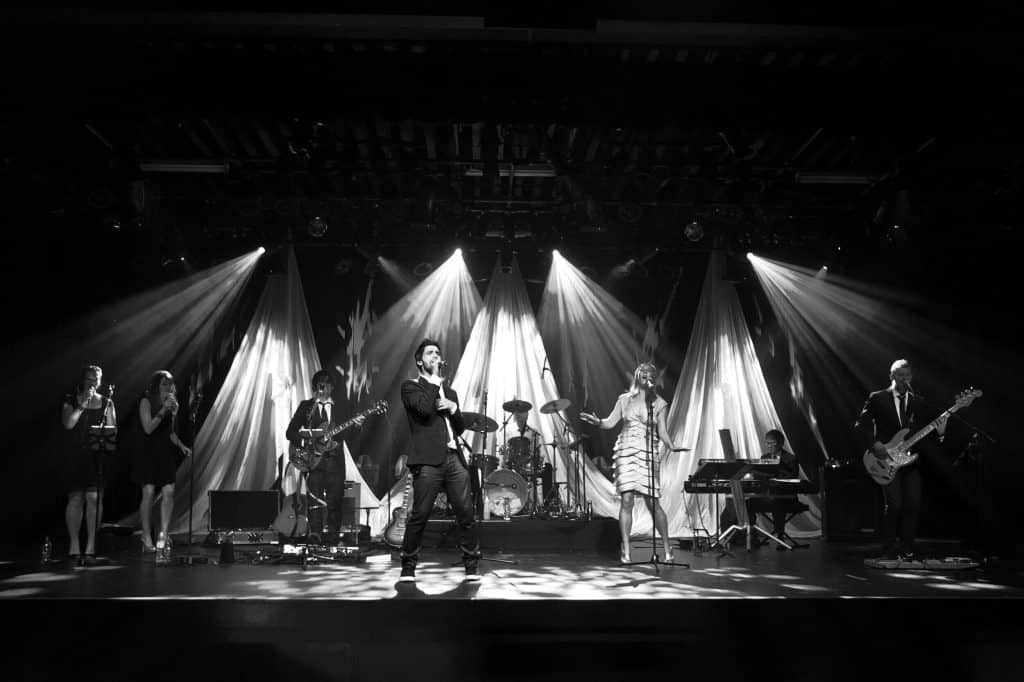
The full ten-piece dance band
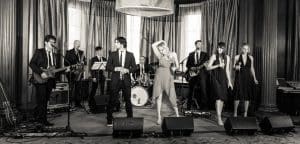
Our flagship ten-piece band combines the six-piece rhythm section, the two-horn section and two dedicated female background vocalists. The result is Side One at full scale: richer vocal arrangements, a bigger sound, greater visual depth and the flexibility to reproduce highly produced pop, funk, soul and dance music with an entirely live ensemble.
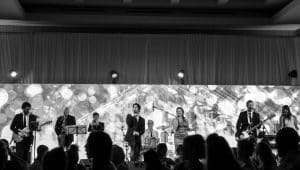
The ten-piece is best suited to events where the band is a central part of the production: large holiday parties, fundraising galas, high-profile corporate celebrations, conference finales and premium private events. It requires more stage space and a larger investment, but it delivers the most complete version of the Side One experience.
WATCH: See the ten-piece band at a WestJet holiday party
Compact and acoustic configurations
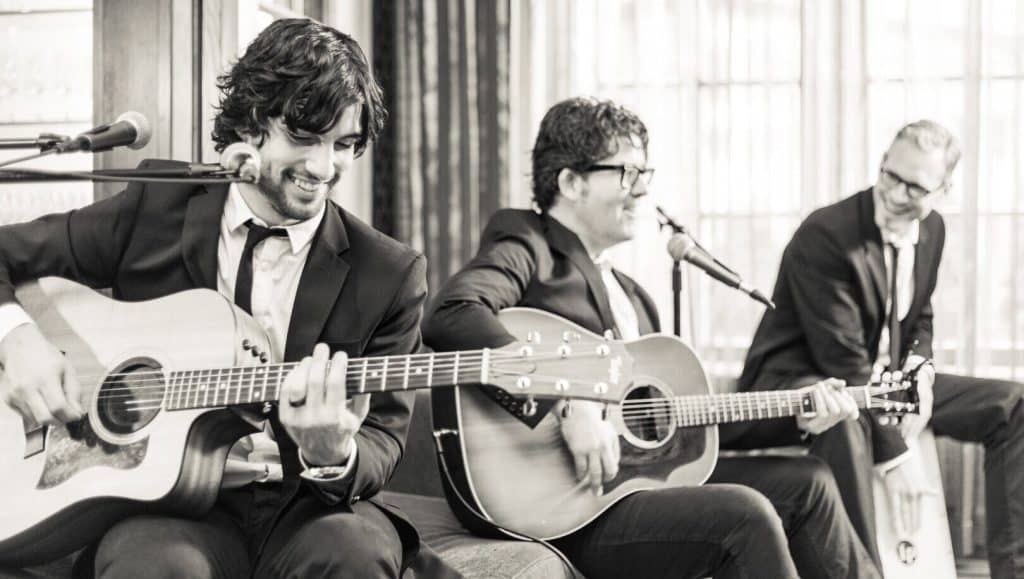
Not every event needs a full drum kit, a large stage or dance-club volume. For receptions, networking events, dinners, patios, hospitality suites and smaller venues, our acoustic configurations provide a more compact footprint and a lower-volume presentation without reducing the quality of the musicianship.
These groups typically replace the drum kit with cajon or light percussion, use acoustic guitar in place of electric guitar and omit the keyboardist. A core acoustic lineup usually includes two vocalists, guitar and percussion, with bass available when the event needs additional rhythmic weight or is expected to move from background music into dancing.
Depending on the singers and multi-instrumentalists available, we can sometimes deliver the same concept as a trio, quartet or quintet. This makes the format especially useful when space is limited, when the venue has strict volume requirements or when the client wants the energy of recognizable songs in a more relaxed presentation.
WATCH: See an acoustic Side One configuration
WATCH: See a compact lineup in performance
Quick Comparison: Choosing Your Band Size
| Configuration | Best for | Guest experience |
|---|---|---|
| Acoustic (trio–quintet) | Receptions, networking, dinners, patios, hospitality suites | Conversational volume, compact footprint |
| Six-piece | Most corporate dance events; foundation lineup | Full dance-floor sound, broad repertoire |
| Eight-piece (+ 2 horns) | Galas and events wanting extra visual/musical impact | Bigger, more “produced” sound |
| Ten-piece (flagship) | Marquee galas, large holiday parties, conference finales | Richest sound, full stage presence |
Music for arrivals, cocktails, dinner and formal programming
Dance music is only one part of an event. Side One can also provide soloists, duos, acoustic groups, jazz combinations, string ensembles and other specialty formats for guest arrival, cocktail receptions, networking, dinner, ceremonies, sponsor lounges and transitions within the formal program.
Using complementary formats across the event creates a more intentional guest journey. Music can remain subtle while conversations and presentations are the focus, then expand in scale when the room is ready for a featured performance or dance set. It also gives planners one coordinated entertainment team rather than a collection of unrelated suppliers.
WATCH: See a featured performance from our Seattle team
How we recommend the right configuration
When we prepare options, we look beyond attendance and consider the complete event plan. The most useful information includes:
- Event objective: Is the music supporting the room, or is it the featured attraction?
- Guest profile: What styles of music will connect with the audience, and how likely are they to dance?
- Venue and stage: How much performance space is available, and how visible should the band be?
- Schedule: Will the entertainment cover one dance set or several phases of the event?
- Production environment: Are there volume limits, speeches, awards, video content or room transitions to accommodate?
- Budget priorities: Is the greatest value in a compact, flexible lineup or in maximum musical and visual impact?
The goal is not simply to put the largest possible band on stage. It is to choose the configuration that makes the event feel appropriately scaled, keeps the program moving and gives guests the experience the host wants them to remember.
Once we understand the venue, schedule, audience and priorities, Margaux and the Side One team can recommend a set of options that makes the trade-offs clear—from a compact acoustic group to the full ten-piece dance band and everything in between.
SIDE ONE | Live entertainment for corporate events, galas, weddings and private celebrations
FAQs
How many musicians do I need for a 200-person corporate event?
The right band size depends on more than guest count — it’s driven by the role music needs to play, the venue, the stage footprint, and how prominently the entertainment should feature.
For a 200-person event with a dedicated dance segment, a six-piece or eight-piece band typically delivers a strong, full-room sound. If the evening includes a cocktail hour and formal program before the dance floor opens, a smaller acoustic or jazz group can cover the early phases while the full band takes over later.
Our team will recommend specific options once we understand your event schedule, venue layout, and goals.
What’s the difference between a 6-piece and a 10-piece band?
Our six-piece band includes dual lead vocalists, guitar, keyboards, bass, and drums. It’s the foundation of our dance-band program and delivers a full, versatile live show that covers a broad range of current hits and classic dance-floor material. The keyboardist reproduces horn and orchestral textures within the arrangements, so you still get a rich, layered sound.
The ten-piece adds a two-horn section (tenor sax and trumpet) plus two additional vocalists. With the ten-piece, you get richer vocal harmonies, a bigger and more dynamic sound, greater visual impact on stage, and the ability to reproduce highly produced pop, funk, soul, and dance music with an entirely live ensemble.
The ten-piece is our flagship configuration — best suited to marquee galas, large holiday parties, conference finales, and events where the band is a central part of the production.
Can Side One provide music for cocktails, dinner, and dancing at the same event?
Yes. Side One regularly covers multiple phases of an event with coordinated entertainment. A typical setup might use a jazz trio or acoustic group during cocktails and dinner, keeping the volume conversational so guests can network and enjoy speeches, then transition to a full dance band once the formal program wraps.
Because all of the musicians and production are managed by one team, the handoff between formats is seamless. There’s no coordination between separate vendors, no gaps in the music, and the energy builds naturally from one phase to the next.
How much stage or floor space does a band need?
Space requirements vary depending on the band configuration. A compact acoustic trio or quartet can work with a smaller footprint and may perform on a riser, in a corner, or on a patio. For a more precise setup, our recommended stage dimensions are:
- 4- and 5-piece band: 8’ wide x 6’ deep
- 6- and 8-piece band: 16’ wide x 12’ deep
- 10- and 12-piece band: 20’ wide x 12’ deep
Our production team works with your planner or venue coordinator to confirm that the stage setup, power, and sightlines are right for the configuration you choose. If you share your venue details, we can advise on exactly what will fit.
How far in advance should we book a band for a corporate event?
The earlier, the better — especially for peak-season dates like the holiday party window (November and December) and “wedding season” in the summer.
Side One receives more than 700 inquiries each year, and popular dates book well in advance. As a general guideline, reaching out at least three to six months ahead gives you the best selection of configurations and scheduling flexibility. For holiday parties, many clients rebook almost immediately after their previous year’s event, so if you’re looking at a Friday or Saturday in December, it’s best to secure your date sooner rather than later.
That said, we accommodate shorter timelines when we can, so it’s always worth getting in touch even if your event is coming up soon.